

In Part 1 of our series, we examined the foundational elements (personality, backstory, and motivations) needed to build a character from the ground up. In part 2, we’ll move on to the next step: ensuring character believability and authenticity from the first page to the last.
The Bedrock of Character Trust
Character consistency ensures your creations remain trustworthy. Establishing a character’s core personality is the baseline to contrast their behaviors in more complex situations.
1. Establish a Character’s Core Personality
A character’s core personality encompasses their fundamental worldviews, attitudes, and ethics. This core serves as an explanation for your characters’ actions and provides predictability in their behavior. However, that core is not irreversibly static; it can slowly change as they continue their journey.
Consider Eleanor Shellstrop from The Good Place. Eleanor is initially selfish, rude, and greedy. She tends to make the least altruistic decision, causing mayhem. However, as she learns ethics from Chidi Anagonye, her core philosophy is enlightened. Her humor and personality remain relatively consistent, but her inner processing improves.
2. Maintain Unique Traits and Behaviors
Consistent details, such as a nervous habit, a regular phrasing, or a specific mannerism, help an audience distinguish characters. These unique traits reinforce individuality.
The Doctor from Doctor Who is a Time Lord who is consistently brave, impulsive, clever, and loyal to his companions. He has a unique manner of speech that Clara Oswald mimics to trick a Cyberman into thinking she is him.
3. Ensure Consistent Reactions
Characters, much like people, should react in predictable patterns. Similar inputs should deliver similar outputs. While unexpected actions can occur, they must be explained and grounded in the established characterization.
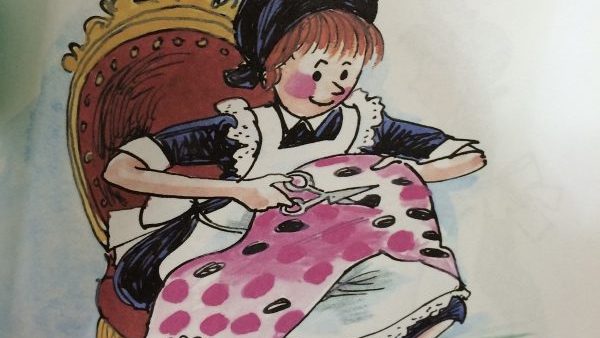
Amelia Bedelia is a children’s book character who does not understand figurative language, doing exactly as told. The audience is prepared for her misunderstanding and reads with intrigue, wondering how she will interpret the instructions.
4. Align Actions with Motivations and Goals
A character’s actions should stem from established wants, needs, and motivations, rather than from plot necessities.
- How-to:
- For each scene, ask, “What does this character want right now?”
- Then ask, “Why does the character want this?”
- Finally, “What will the character do to achieve this?”
- Ensure these three are logically aligned.
Yuno Gasai from Future Diary is an archetypal yandere. She will do anything to ensure Yukiteru Amano survives the competition. She is fiercely loyal, terrifyingly so, and only has superficial morals. Her true driving rationale is forcing Yukiteru into being her lover, even if she has to kill him.
- Create a character bible/sheet. A character bible indexes all key details about a character, including their traits, behaviors, background, and motivations.
- How-to:
- Create a document, binder, or storyboard for each main character.
- Include sections for:
- Basic information (name, age, and appearance).
- Personality traits (strengths, weaknesses, and unique mannerisms or speech patterns).
- Backstory (potentially in the form of a timeline including their family life, educational history, and significant events).
- Motivations and goals (short-term, long-term, underlying, and/or subconscious).
- Relationships with other characters (family, friends, enemies, organizations, or groups).
- How-to:
5. Grounding Actions in Background and Past Experiences
A character’s past influences their present. Understanding the reasons behind their actions makes them seem more human.
Batman, Bruce Wayne, witnessed the murder of his parents. That event radicalized him into a crime-fighting vigilante. This severe trauma logically connects to his motivations and actions.
The Revision Process: Refining for Impact & Accuracy
The revision stage allows you to tweak character interactions to align their personalities and motivations. When using a character bible, you should frequently update the information. Characters naturally develop as we become more accustomed to them.
1. Update Character Profiles
- Characters often change from their initial conception. Revisiting and updating their profiles ensures accurate reflection and consistency of characterization.
- How-to:
- After completing the first draft, review each character profile.
- Adjust, remove, or modify a character’s traits, behaviors, and motivations to align with their final portrayal.
- How-to:
2. Analyze Character Arcs
- Arcs are the representation of a character’s emotional and psychological transformation throughout the story. A writer must ensure this progression is logical and believable based on the events they experience.
Frodo’s journey from relaxed hobbit to burdened Ring-bearer is a stark and compelling arc in The Lord of the Rings. The audience understands and accepts the evolution.
- How-to:
- Outline significant plot beats that impact the character.
- Note the character’s emotions, beliefs, and actions for each event.
- Ensure a clear cause-and-effect relationship between the external action and the internal processing.
- Identify the character’s starting point and end state.
3. Check for Inconsistencies
- Inconsistencies occur when a character acts in a way that knowingly contradicts established personality and motivations without justifiable reasons.
- A pacifist should not resort to physical violence without a significant, well-explained, and well-supported reason.
- How-to:
- Read through your manuscript, focusing on each character’s journey one at a time.
- Create a timeline of the character’s actions, decisions, and external circumstances.
- Compare these actions against the character’s established traits and motivations.
- Look for any contradictions or deviations from the character’s goals.
- For each deviation, ask if there is a clear and compelling reason for this change, and if the change is supported by the narrative.
- With multi-POV manuscripts, read each character’s POV separately to better track their consistency.
4. Ensure Protagonist Agency
- The protagonist should drive the plot. Their deliberate choices should influence the direction of the story.
Katniss Everdeen in The Hunger Games has strong agency. She volunteers on Prim’s behalf, defies the Capitol’s authority, and eventually betrays one tyrant to save another.
- How-to:
- Identify the character’s pivotal decisions.
- Analyze the rationale.
- Assess whether the character’s choices have a significant impact on the plot.
- Revise to ensure characters have self-agency that propels the narrative.
5. Show, Don’t Tell
- Instead of explicitly stating a character’s traits, reveal them through actions, dialogue, and thoughts.
- Instead of writing, “He was nervous,” explain it: “His hands trembled slightly, and he kept clearing his throat.”
- How-to:
- Identify instances where character traits are directly stated.
- Rewrite these sentences to depict the trait in action.
- Prioritize sensory details, specific behaviors, and subtextual dialogue.
6. Seek Beta Reader Feedback
- Beta readers provide feedback on a manuscript before it is published. Their insights can identify areas of weak characterization.
- How-to:
- Select beta readers familiar with your genre.
- Provide them with specific questions about the characters:
- Are the characters layered and consistent?
- Are their motivations clear?
- Are there any instances where a character acts in an unanticipated manner?
- Which characters did you connect with, and why?
- Carefully consider their feedback.
- How-to:
Creating Memorable Characters: Layers, Voice, and Actions
Memorable characters have layers: a unique voice, individual distinctiveness, and internal processes. Layering character traits creates multiple facets, including complexities and contradictions.
1. Add Layers to Character Personalities
- Memorable characters have subconscious contradictions that may not be immediately apparent.
- For instance, Toph from the TV show Avatar: The Last Airbender is a tough and hardened character who might have a hidden insecurity. In one episode, she is affected by hurtful remarks regarding her appearance. She forcefully laughs it off and pushes the girls into a river, but through her body language, the audience senses her pain. It becomes even clearer after she receives a compliment and genuinely smiles.
2. Develop a Unique Character Voice
- A character’s voice is their vocabulary, sentence structure, vernacular, and overall tone. It should be distinct and recognizable from other characters.
Hermione Granger is precise and articulate, whereas Ron Weasley is comical and colloquial.
- How-to:
- Pay attention to word choice. Does the character use formal or informal language?
- Monitor sentence structure. Does the character speak in short, clipped dialogue or long, flowing ones?
- Consider their usual tone. Are they often sarcastic, serious, or naive?
- Remove dialogue tags and see if you can still identify the speaker as a personal exercise.
3. Show Personality Through Actions and Mannerisms
- Actions, reactions, habits, and mannerisms can reveal traits.
In American Psycho, Patrick Bateman’s morning routine indicates his meticulous thinking. That trait ties into his organized serial killing.
- Incorporate Interests and Hobbies. Giving characters interests and hobbies makes them feel more real and well-rounded. The audience can imagine what they would be doing off-page.
- Iroh, from Avatar: The Last Airbender, enjoys the game Pai Sho. He plays with friends while sharing tea as a pastime. The board game is also the method a secret order uses to communicate.
4. Utilize Subtext
- Subtext is the unstated meaning, usually of dialogue. It can reveal a character’s thoughts, feelings, and hidden motivations.
- A famous quote with simple-to-understand subtext comes from The Godfather. When a Hollywood producer denies Johnny, Don Vito Corleone says, “I’m going to make him an offer he can’t refuse.” The subtext reveals that the Don will ensure the producer accepts the deal out of fear, rather than for financial gain.
Conclusion
Creating a consistent character is an act of trust. Every action your characters take should be grounded in who that person is at their core. The goal is to create individuals whose narrative evolutions are both logical and impactful. If you haven’t tried any of the tools or techniques I’ve discussed, give them a shot. If you are currently using the tools I’ve mentioned or have attempted some of the writing “how-tos” I’ve included, I’d love to hear their results.
Now that we have a solid foundation, let’s explore how to make those characters truly grow. In the next installment, “Level Up Your Characters (Part 3): Developing Meaningful Arcs,” we’ll dissect the intricacies of powerful character arcs.
My Favorite Writing Tools
If you’re struggling to keep track of character notes, backstory timelines, and plot points in a sprawling document, then you need to try Scrivener. I stand by it entirely. It is a favorite among novelists for a reason! They have a free trial, which you can find by clicking on my affiliate link here: https://www.literatureandlatte.com/scrivener-affiliate.html?fpr=polyprose
In regard to enhancing your prose, I fully recommend QuillBot. It can help you rephrase a clumsy sentence, refine your dialogue, and ensure your writing is clear and impactful. If you’d like to see it in action, please use my affiliate link to sign up here: https://try.quillbot.com/polyprose


 PolyProse
Leave a reply to Level Up Your Characters (Part 3): Developing Meaningful Arcs – PolyProse Cancel reply